If you have just completed your 12th grade and are wondering what to do next, fashion design after 12th is one of the most rewarding creative careers you can pursue in India today. The Indian fashion industry is expanding rapidly, driven by global retail demand, booming e-commerce platforms, and a growing appetite for homegrown design talent. Whether you dream of styling runways, designing garments for global brands, or launching your own label, a structured fashion design programme gives you the technical foundation and industry exposure to make it happen.
Why Fashion Design Is the Right Career Choice in 2026
India’s fashion and textile industry is projected to cross USD 350 billion by 2030, making it one of the fastest-growing creative sectors in the country. Demand for trained fashion designers has moved well beyond metropolitan cities. Brands today are actively recruiting from tier-2 cities, and the rise of direct-to-consumer fashion labels means that a skilled designer can build a viable career without relocating to Mumbai or Delhi.
Beyond garment construction, fashion design today overlaps with sustainability, digital fashion, brand identity, and consumer behaviour. Students who graduate with a blend of traditional craft skills and contemporary design thinking are finding opportunities in areas that barely existed five years ago from sustainable slow fashion to virtual styling on e-commerce platforms. Choosing fashion design after 12th in 2026 means entering an industry that is growing, evolving, and actively seeking fresh creative talent.
What Is Fashion Design?
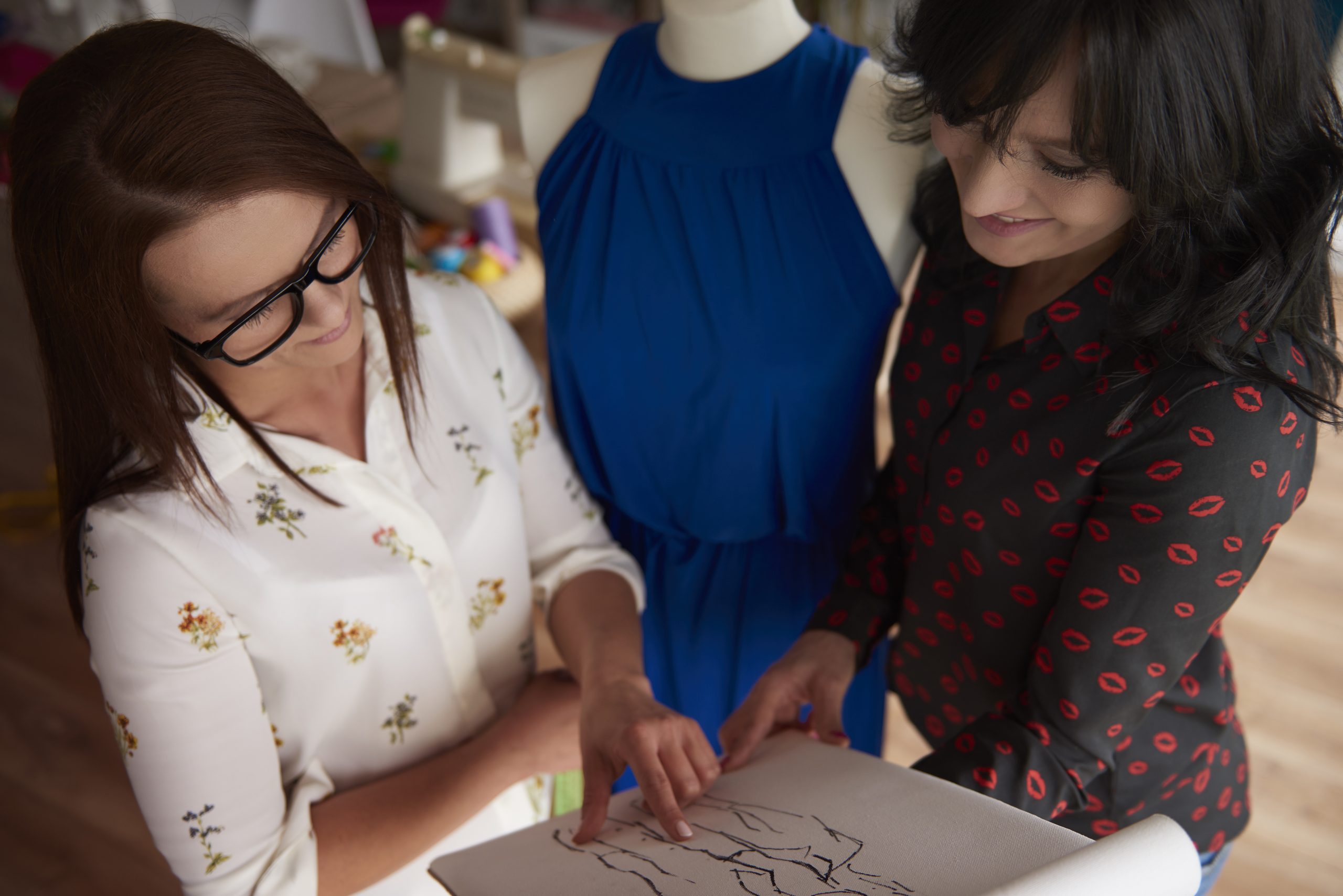
Fashion design is the applied art of creating clothing, accessories, and wearable products by combining aesthetics, fabric knowledge, garment construction, and market awareness. It is not only about sketching beautiful outfits it involves understanding silhouette, draping, pattern making, textile science, colour theory, and the commercial dynamics of how fashion moves from concept to consumer.
A formal degree or diploma in fashion design teaches students to work systematically through the creative process: from initial research and mood board development to technical drawings, prototype construction, and final collection presentation. It also introduces students to the business side costing, production planning, trend forecasting, and retail strategy so they graduate as design professionals rather than just skilled makers.
Fashion Design at CVM University School of Design Programme Overview
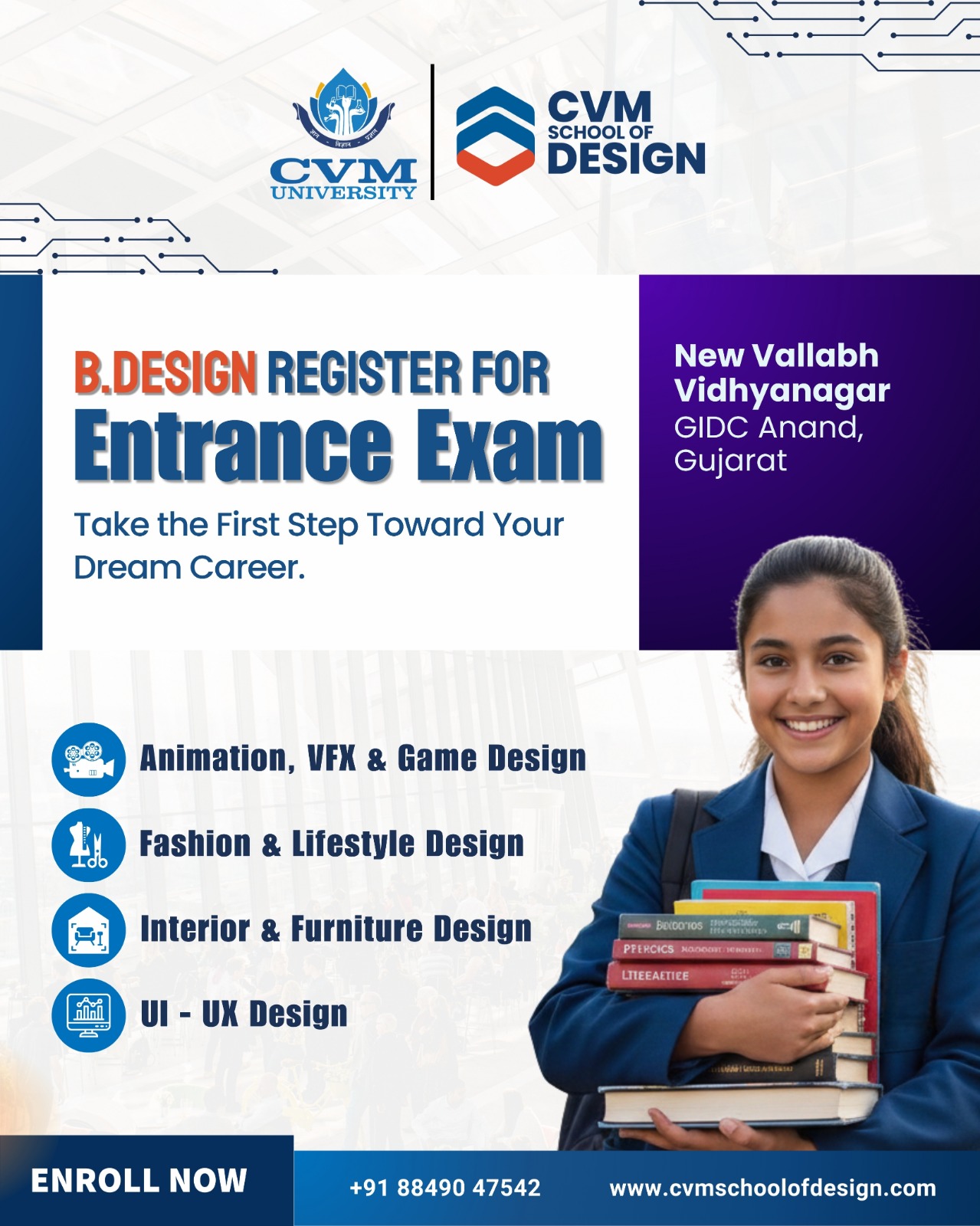
CVM University School of Design, located in Anand, Gujarat, offers a structured undergraduate fashion design programme designed to align with current industry expectations. The curriculum blends classical design education with hands-on studio practice, ensuring students graduate with both technical competence and a strong creative identity.
| Programme Detail | Information |
|---|---|
| University | CVM University School of Design |
| Location | Anand, Gujarat |
| Programme Name | B.Des in Fashion Design |
| Duration | 4 Years (8 Semesters) |
| Eligibility | 10+2 in any stream |
| Admission Mode | Merit / Entrance-based |
| Recognition | UGC Recognised University |
| Website | cvmschoolofdesign.com |
CVM University School of Design follows a studio-first teaching philosophy, meaning students spend significant time on practical projects rather than only classroom theory. The programme is designed to produce graduates who can contribute meaningfully on their first day in a professional design studio.
Subjects and Skills Covered
The fashion design curriculum at CVM University School of Design covers a broad spectrum of subjects across four years. Students begin with foundational modules in elements and principles of design, drawing and illustration, and the history of fashion and textiles. As they progress, the coursework moves into more technical territory.
Core subjects include garment construction and tailoring, pattern making and grading, draping techniques, textile science and fabric studies, fashion illustration and computer-aided design (CAD), apparel merchandising, and collection development. Students also study fashion forecasting and trend analysis, which teaches them to read market directions and translate commercial insights into design decisions.
Skills developed through the programme include proficiency in industry-standard design software, expertise in surface ornamentation and embroidery techniques, portfolio building and presentation skills, understanding of sustainable design practices, and collaborative studio skills that prepare students for working within a professional design team. By the time students complete their final year at CVM University School of Design, they are expected to present a cohesive graduate collection demonstrating both technical rigour and a distinct creative point of view.
Career Opportunities After Fashion Design
Graduates who study Fashion design after 12th and complete a four-year B.Des programme have access to a wide range of job roles across the industry.
Common career paths include fashion designer, apparel merchandiser, textile designer, costume designer, fashion stylist, retail buyer, pattern maker, fashion illustrator, trend analyst, and brand consultant. Those interested in academia can pursue teaching roles, while entrepreneurially inclined graduates often launch their own labels or freelance consultancies.
Top recruiters in India for fashion design graduates include established names such as Fabindia, W for Woman, Aditya Birla Fashion, Myntra, Nykaa Fashion, Reliance Retail, Arvind Limited, and various export houses operating out of textile hubs in Gujarat, Surat, and Ahmedabad. International opportunities exist in retail, luxury goods, and fast fashion particularly for graduates with a strong portfolio and digital design skills.
Internships play a central role in career readiness. Most reputable fashion design programmes, including those at CVM University School of Design, incorporate internship semesters that place students directly within design studios, textile manufacturers, or retail brands. These internships are often the first step toward a full-time offer.
How to Get Internships, Real Projects, and Live Work Experience in Fashion Design
One of the most common questions students ask after joining a fashion design programme is how to gain real industry experience before graduation. The honest answer is that waiting for your college to arrange everything is not enough the students who build strong careers are the ones who actively seek out opportunities from their first year itself.
Start With Your Immediate Surroundings
Gujarat has one of the richest textile and apparel ecosystems in India. Surat is the country’s largest fabric market, Ahmedabad has a thriving garment export industry, and Anand itself is surrounded by small and mid-size textile units. Visit local fabric stores, embroidery workshops, and small garment manufacturers and ask if you can shadow their production process or assist with design work on a part-time basis. Many small business owners are open to this because it costs them nothing and gives them an extra pair of skilled hands.
Approach Brands Directly With Your Portfolio
Do not wait for a formal job posting. Identify 10 to 15 local or regional fashion labels, boutiques, or export houses and send them a short introduction email with two or three images from your portfolio. Offer to assist on a specific project a new season collection, a product shoot, or a fabric sourcing brief. Keep the ask small and specific. Most rejections come from vague requests, not from lack of talent.
Use Freelance Platforms for Live Project Experience
Platforms such as Fiverr, Upwork, and Meesho Creator allow fashion design students to take on real briefs fashion illustration commissions, print design for textile clients, mood board creation for small brands, and costume design for theatre or film productions. Even small paid projects add credibility to your portfolio and teach you how to manage client expectations, timelines, and revisions skills that classroom projects rarely replicate.
Participate in Design Competitions and Live Briefs
Several Indian fashion councils, textile boards, and brands run open design competitions throughout the year. FDCI, Lakme Fashion Week’s Gen Next programme, Craftmark, and various state textile boards regularly invite student submissions. Winning or even participating in a shortlisted entry gives you a legitimate industry credit that stands out on a resume.
Leverage Your University’s Industry Connections
CVM University School of Design maintains connections with textile and design industry partners in Gujarat. Talk to your faculty members directly about live project collaborations, guest critique sessions with working designers, and any industry visits or studio partnerships the department has in place. Faculty who are practicing designers often bring real client briefs into the classroom make sure you are actively engaging with those opportunities rather than treating them as optional.
Build Your Online Portfolio Early
Create a free portfolio website using platforms like Behance, Wix, or Adobe Portfolio from your first year. Document every project even academic ones with clean photographs, a short description of your brief, your process, and the final outcome. Recruiters and clients today look for designers online before they interview them. A visible, well-maintained portfolio is often the reason one student gets an internship inquiry while another with equal skills does not.
How to Convert an Internship Into a Job or Freelance Project
When you are on an internship, treat it as a 60-day interview. Deliver work on time, ask for feedback, understand the brand’s customer, and take initiative on small tasks without being asked. Many of the full-time roles and long-term freelance relationships that working designers have built began with an internship where they simply showed up consistently and produced good work. Before your internship ends, ask directly whether there is scope for a continued engagement either as a part-time freelancer or as a full-time team member after graduation.
Salary Growth in Fashion Design
Salary in fashion design varies based on specialisation, city, employer, and the strength of your portfolio. Below are realistic LPA ranges based on current industry data.
| Experience Level | Role Examples | Expected Salary Range |
|---|---|---|
| Entry Level (0–2 years) | Junior Designer, Design Assistant, Merchandising Trainee | 2.5 – 4.5 LPA |
| Mid Level (3–6 years) | Fashion Designer, Senior Merchandiser, Textile Developer | 5 – 9 LPA |
| Senior Level (7+ years) | Design Head, Creative Director, Brand Consultant | 10 – 20+ LPA |
Salary growth in fashion design depends heavily on skills, certifications, specialisation, and the type of employer. Designers who develop expertise in sustainable fashion, luxury garment construction, or digital fashion tools tend to command higher compensation. Freelance designers and those who build independent labels have earnings that scale with their client base and brand reputation.
Why Anand Students Should Consider This Programme Now
Anand sits at the heart of one of India’s most industrially productive regions. Gujarat’s textile and apparel industry is among the largest in the country, with major production and export clusters in Ahmedabad, Surat, and Vadodara all within commuting distance. For fashion design students, this geography is a significant advantage access to fabric markets, garment manufacturers, embroidery units, and export houses is built into the region’s economic landscape.
Studying at CVM University School of Design in Anand means you are not learning fashion design in isolation. You are learning it adjacent to an active industry, with opportunities for site visits, industry collaborations, and internships that would cost significantly more time and money to access if you were studying in a metro city. Local industry exposure combined with a structured academic programme accelerates the gap between classroom learning and professional readiness.
Additionally, the cost of living and education in Anand is substantially lower than in cities like Mumbai or Pune, making it a financially sensible choice for families looking for quality design education without metro-level expenditure.
Admission 2026 Eligibility and How to Apply
Admission to the B.Des in Fashion Design at CVM University School of Design is open to students who have completed their 10+2 examination in any stream from a recognised board. There is no stream restriction students from Science, Commerce, and Arts backgrounds are all eligible to apply.
The general admission process involves submitting an application through the university website at cvmschoolofdesign.com, appearing for any required entrance test or portfolio review as specified by the admissions office, and completing document verification. Seats are limited, and early application is strongly recommended for the 2026 intake.
Required documents typically include 10th and 12th marksheets, a passport-sized photograph, identity proof, and a category certificate if applicable. For course-specific admission queries, prospective students should contact the admissions office directly through the official website.
Frequently Asked Questions
What is the minimum qualification to study fashion design after 12th?
You need to have completed 10+2 from any recognised board in any stream. There is no specific stream requirement for most fashion design undergraduate programmes, including those at CVM University School of Design.
How long is a fashion design degree in India?
A B.Des (Bachelor of Design) programme in fashion design is typically four years in duration, divided into eight semesters. Some institutions also offer three-year diploma programmes, though a degree is generally preferred by employers.
What is the average starting salary for fashion design graduates in India?
Entry-level fashion design graduates in India typically earn between 2.5 and 4.5 LPA depending on the employer, city, and specialisation. Salary increases significantly with experience, portfolio quality, and additional certifications.
Is fashion design a good career option after 12th in 2026?
Yes. The Indian fashion and apparel industry is growing rapidly, and demand for trained designers has expanded beyond metro cities. Students who graduate with strong technical skills and a well-developed portfolio have solid employment and entrepreneurship prospects.
How do I build a fashion design portfolio as a student?
Start documenting every project you complete during your programme — sketches, technical drawings, fabric samples, finished garments, and mood boards. Include internship work, academic collections, and any freelance or personal projects. A strong portfolio demonstrates both technical ability and creative range and is often more important than your grades when applying for industry roles.
How can fashion design students get internships in Gujarat?
Gujarat’s textile and apparel ecosystem makes it easier than most states to find internship opportunities. Students can approach fabric markets in Surat, garment export houses in Ahmedabad, boutiques in Vadodara, and local embroidery and handicraft units directly. CVM University School of Design also facilitates industry connections through its academic network, and students are encouraged to pursue self-initiated internships alongside any college-arranged placements.
Can I do freelance work while studying fashion design?
Yes. Freelance platforms like Fiverr, Upwork, and Behance allow students to take on paid design briefs from fashion illustration and print design to mood board creation and styling consultation while still enrolled in their programme. Freelance work builds your portfolio, develops client communication skills, and generates income before you graduate.
Conclusion
Pursuing fashion design after 12th is a genuine, well-supported career path for students who are passionate about creativity and willing to build a strong technical foundation. The Indian fashion industry in 2026 offers more entry points than ever before from established retail brands to independent labels, sustainable fashion start-ups, and digital platforms. CVM University School of Design in Anand provides students from Gujarat and across India with a rigorous, industry-connected design education at a location that offers both regional industry access and financial accessibility.
If you are ready to turn your creative interest into a professional career, explore the B.Des Fashion Design programme at CVM University School of Design. Visit cvmschoolofdesign.com or contact the admissions office to learn more about the 2026 intake, eligibility criteria, and the application process.